Jikji Museum Home

Category

History & Heritage

10 articles

Carried in the Hands, Hidden in the Mind: How Korean Printing Artisans Outlasted Colonial Erasure

Carried in the Hands, Hidden in the Mind: How Korean Printing Artisans Outlasted Colonial Erasure

When Japanese colonial authorities systematically dismantled Korea's cultural infrastructure in the early twentieth century, the nation's centuries-old metal-type printing traditions faced extinction. Yet master craftsmen, artisan families, and monastic workshops refused to let their knowledge disappear—preserving techniques through oral transmission, clandestine practice, and sheer human tenacity. Their story offers a profound lesson in how endangered knowledge survives institutional erasure.

Rewriting the Syllabus: How Jikji Is Transforming the Way American Universities Teach Printing History

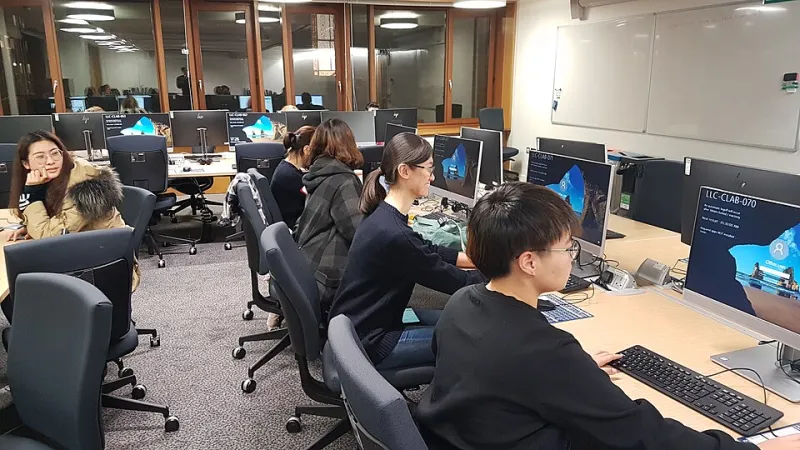
Rewriting the Syllabus: How Jikji Is Transforming the Way American Universities Teach Printing History

Across American campuses, a quiet but consequential curricular revolution is underway. Professors in history, library science, and the humanities are weaving Jikji and East Asian printing traditions into their syllabi, challenging decades of Eurocentric assumptions about who invented movable type. The shift reflects not only new scholarship but a growing institutional commitment to a more accurate and inclusive account of human knowledge.

Cast in Silence: The Forgotten Aesthetics of Korean Metal Type and Their Quiet Return to Modern Design

Cast in Silence: The Forgotten Aesthetics of Korean Metal Type and Their Quiet Return to Modern Design

The metal type developed during the Jikji era represented one of the most sophisticated typographic achievements in human history, yet its aesthetic principles were almost entirely excluded from Western design education. Today, a growing community of scholars, museum curators, and typeface designers is working to recover what was lost — and to understand why it disappeared in the first place.

How a Single Korean Manuscript Forced the World to Rethink Who Invented Printing

How a Single Korean Manuscript Forced the World to Rethink Who Invented Printing

The authentication of Jikji in a Parisian library did not merely add a footnote to printing history—it rewrote entire chapters. From university syllabi in Boston to exhibition halls in Los Angeles, the ripple effects of this rediscovery continue to reshape how scholars, curators, and educators understand the origins of one of humanity's most transformative technologies.

Scattered Across a Continent: Mapping America's Overlooked East Asian Print Heritage

Significant Korean and East Asian printed artifacts are far more present in the United States than most Americans realize, distributed across an unexpected range of institutions from major metropolitan museums to small university libraries in the Midwest and South. This geographic dispersal has historically kept these treasures beyond the reach of both researchers and the general public. Understanding where these collections reside—and how to access them—is the first step toward bringing this hi

Hidden in Plain Sight: How American Institutions Are Finally Reckoning With Forgotten East Asian Print Treasures

Hidden in Plain Sight: How American Institutions Are Finally Reckoning With Forgotten East Asian Print Treasures

Across the United States, archivists and curators are uncovering Korean, Chinese, and Japanese printed materials that have languished in institutional storage for generations—misfiled, misattributed, or simply overlooked. These rediscoveries are reshaping our understanding of early global knowledge exchange and raising urgent questions about how Western institutions have historically categorized non-Western heritage. The race to properly document these collections is now a matter of cultural pre

Ink, Trade, and Empire: How East Asia Built the World's First Printing Civilization

Ink, Trade, and Empire: How East Asia Built the World's First Printing Civilization

Centuries before Gutenberg assembled his press in Mainz, a sophisticated network of printers, monks, and merchants across East Asia had already transformed the written word into a reproducible technology. Understanding how Korea, China, and Japan developed and exchanged printing innovations reframes everything we thought we knew about the origins of mass communication—and places Jikji at the center of that story.